

When Global Tensions Reach Local Ground
Geopolitics rarely feels distant when it begins to affect energy.
With rising tensions in West Asia and growing concerns over disruptions in critical global supply routes particularly the Strait of Hormuz—states across India have begun preparing for potential ripple effects.
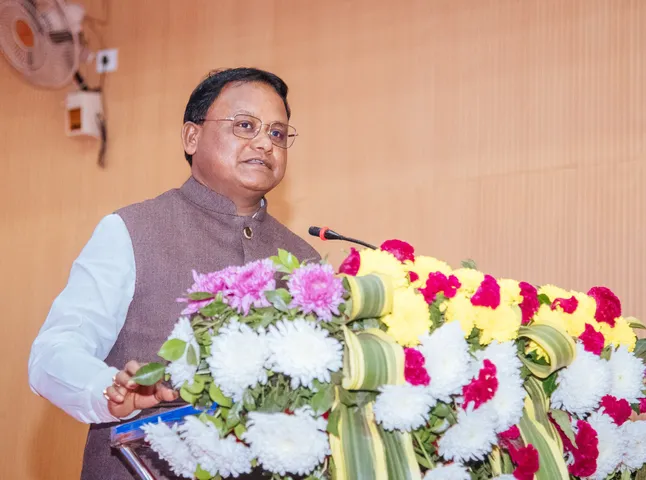
In Odisha, Chief Minister Mohan Charan Majhi has chosen not to wait.
He has acted.
A Proactive Move: Urgent High-Level Review
Anticipating possible disruptions in the supply of fuel, LPG, and petroleum products, the Chief Minister has convened an urgent high-level meeting at Lok Seva Bhawan.
This is not a routine administrative review.
It is a pre-emptive strategy session—bringing together:
- District Collectors (via video conferencing)
- Senior bureaucrats
- Department heads
The objective is clear:
Assess, prepare, and respond—before any crisis reaches the ground.
The Core Focus: Stability at Every Level
The meeting is expected to address district-level preparedness in detail, ensuring that Odisha remains insulated from sudden shocks.
Key priorities include:
- Ensuring uninterrupted supply of fuel and LPG
- Preventing black marketing and hoarding
- Avoiding artificial shortages and price escalation
- Maintaining smooth distribution networks across districts
This is governance that recognises a simple truth:
In times of uncertainty, supply chains are as critical as security.
No Panic, Only Preparedness
Even as alerts have been issued at the national level, the Odisha government has taken a measured and responsible stance.
There is no shortage of fuel or cooking gas in the state at present.
At the same time, citizens have been advised to:
- Avoid panic buying
- Rely on official communication
- Maintain normal consumption patterns
This balance—between reassurance and readiness—is crucial in preventing self-created crises driven by fear.
Odisha in the National Coordination Framework
Chief Minister Majhi has also been actively engaged at the national level.
He participated in a virtual meeting chaired by Prime Minister Narendra Modi, where chief ministers were briefed on the evolving situation and the need for coordinated response.
In that meeting:
- Odisha reaffirmed its preparedness
- Emphasis was placed on accurate public communication
- Assurance was given on continuous availability of essential commodities
Prime Minister Modi called for a “Team India” approach—highlighting:
- Inter-state coordination
- Vigilance against hoarding
- Collective responsibility in crisis management
Odisha’s approach reflects alignment with that national framework.
Leadership in Uncertain Times
What stands out in this situation is timing.
No disruption has yet occurred.
No shortage has been reported.
And yet, the state is preparing at full administrative scale.
This is the difference between reactive governance and proactive leadership.
By initiating early review, ensuring district-level readiness, and aligning with national coordination, the Chief Minister has sent a clear signal:
Odisha will not wait for a crisis to respond. It will prepare before it arrives.
The Larger Message: Control the Narrative, Not Just the Supply
In situations like these, managing supply is only half the challenge.
The other half is managing perception.
Rumours, panic buying, and misinformation can often do more damage than actual shortages.
By maintaining:
- Transparent communication
- Administrative readiness
- Public confidence
the government is not just protecting resources—
it is protecting stability.
Conclusion: Prepared, Not Pressured
The coming weeks will depend heavily on how global events unfold.
But Odisha has already taken the most important step:
Preparation without panic.
Chief Minister Mohan Majhi’s early intervention ensures that the state remains:
- Alert to global developments
- Ready at the administrative level
- Stable at the public level
In uncertain times, that is not just governance.
That is leadership.