

The Odisha government has unveiled a comprehensive three-year excise policy introducing a de-addiction cess, restrictions on new liquor outlets and technology-driven measures to curb illegal trade.
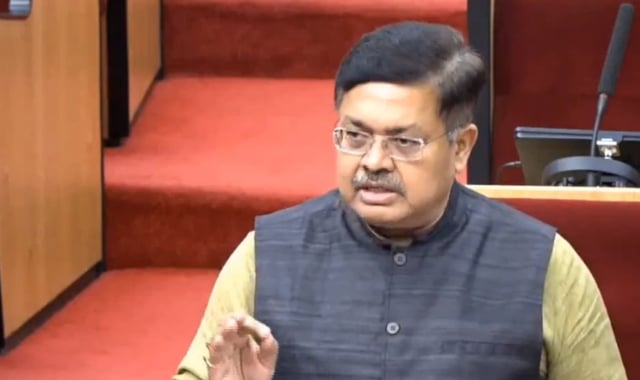
Announcing the policy in the Assembly, Excise Minister Prithiviraj Harichandan said the new framework would remain in force from April 1, 2026, to March 31, 2029.
The shift from annual policies to a three-year framework is intended to provide greater consistency and clarity in excise administration. The government will retain the flexibility to make changes during the policy period when required.
De-Addiction Cess for Treatment Centres
The government has introduced a 0.5 per cent de-addiction cess on excise duty, recognising the harmful effects associated with alcohol consumption.
Revenue collected through the cess will be used exclusively to establish and strengthen model de-addiction centres across Odisha.
The measure links excise revenue with public-health intervention and creates a dedicated source of funding for treatment and rehabilitation services.
No New OFF, Country Liquor or Out-Still Shops
The policy places strict limits on the expansion of Odisha’s liquor retail network.
No new OFF, country liquor or out-still shops will be permitted anywhere in the state. New ON shops will also be prohibited in rural areas.
Limited exemptions will apply to hotels rated three stars and above and to clubs operating within industrial zones.
The restriction is in line with the commitment made by the Odisha BJP in its 2024 election manifesto to prevent the opening of new liquor shops in the state.
Special Protection for Shri Jagannath Temple Area
Addressing religious and cultural concerns, the government has prohibited excise shops near the Shri Jagannath Temple and along the 2.6-km Badadanda, or Grand Road, in Puri.
The new framework also imposes a complete ban on the home delivery of liquor throughout Odisha.
Minimum Revenue Model Replaces Quantity Targets
In a significant structural reform, the government has replaced the Minimum Guaranteed Quantity system with a Minimum Guaranteed Excise Revenue model.
Under the previous arrangement, traders faced quantity-based targets that could create pressure to increase sales volumes. The new model focuses on guaranteed revenue rather than the quantity of liquor sold.
The reform is expected to protect government revenue while discouraging practices driven by excessive sales targets.
Calibrated Increase in Fees and Duties
Application fees for excise licences will increase by 10 per cent. Licence fees will rise annually by 10 to 20 per cent during the three-year policy period.
Excise duties on Indian-made foreign liquor and country liquor have also been increased.
Odisha currently generates more than ₹11,000 crore in excise revenue annually. The revised structure seeks to strengthen revenue collection while improving regulatory control.
Modernisation and Quality Control Made Mandatory
The policy requires out-still manufacturing units to modernise their operations through improved packaging and the installation of quality-control equipment.
Compliance with Food Safety and Standards Authority of India requirements and pollution-control regulations has been made compulsory.
Units completing modernisation within the prescribed timelines will be eligible for government incentives.
Every Bottle to Be Tracked
Odisha will introduce a comprehensive digital track-and-trace system covering the movement of extra neutral alcohol and finished liquor products.
The system will monitor every bottle from production until its final retail sale. It is expected to strengthen enforcement, identify supply-chain irregularities and curb the illegal liquor trade.
CCTV Monitoring Across the State
All liquor-manufacturing units and retail outlets will be brought under CCTV surveillance.
The surveillance network will be integrated in real time with the office of the Excise Commissioner and the respective district authorities, enabling closer monitoring and faster intervention.
State excise chemical laboratories will also be upgraded with modern equipment and trained personnel to improve product testing and quality assurance.
Three-Year Road Map for Excise Reform
The policy combines tighter controls on liquor availability with public-health funding, manufacturing reforms and digital enforcement.
By introducing predictable three-year regulations, replacing quantity-based targets and expanding technology-led monitoring, the Odisha government aims to build an excise system that is more transparent, accountable and responsive to public concerns.