

Works Minister Drives Rapid Highway Restoration While Planning Stronger Roads, Protection Walls and Better Drainage
Odisha Works Minister Shri Prithviraj Harichandan has placed climate resilience at the centre of the state’s infrastructure strategy, transforming the post-Cyclone Arnab restoration campaign into a wider plan for safer and more durable roads.
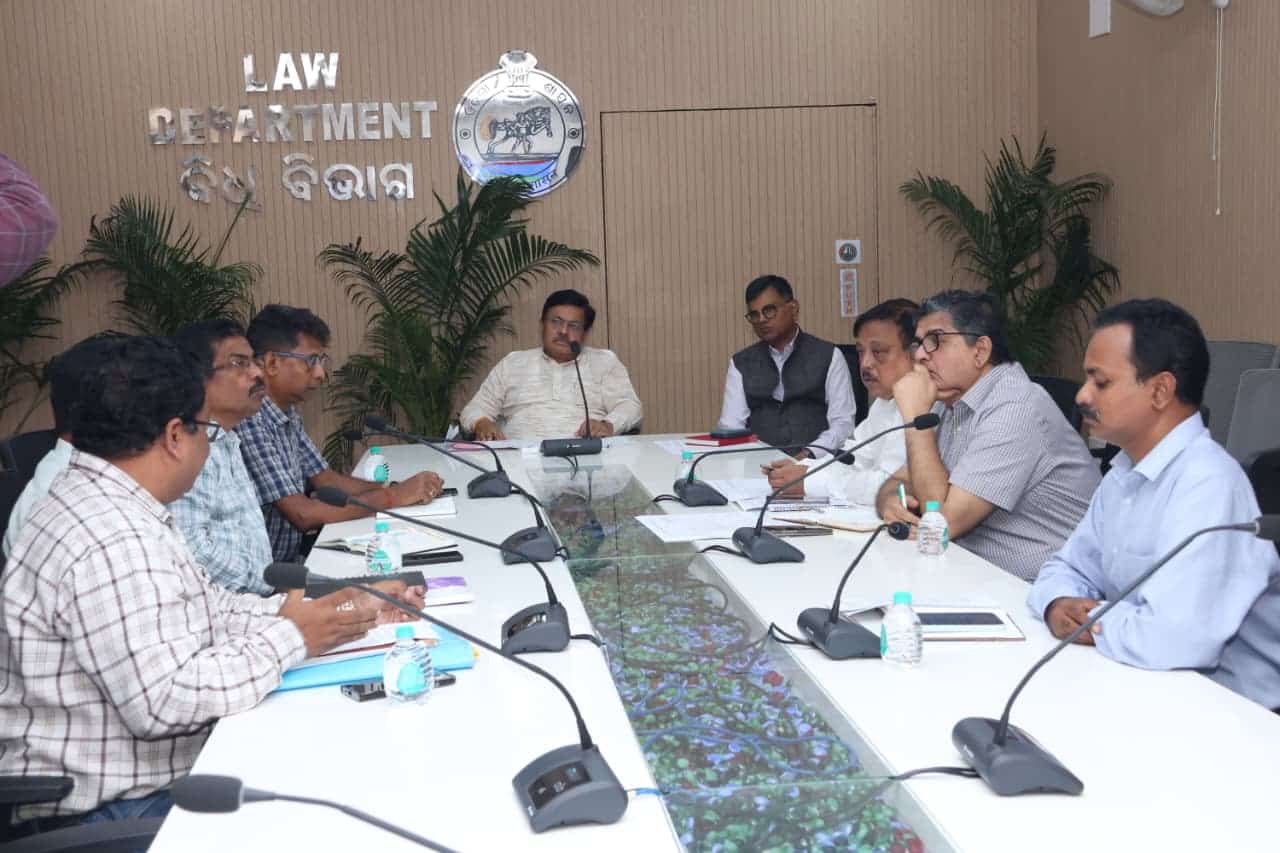
Chairing a high-level review meeting at Lok Seva Bhawan, Harichandan examined the damage caused to roads and highways by the cyclone, floods and landslides. He also assessed the progress of emergency repairs across some of southern Odisha’s worst-affected regions.
The review recorded a major restoration achievement: work has been completed on 10 of the 12 severely damaged road links along NH-59, NH-157 and NH-326. The remaining two links were targeted for completion within 48 hours.
From Emergency Repairs to Permanent Protection
Harichandan made it clear that restoring damaged roads was only the first step.
With extreme rainfall, flash floods and landslides placing growing pressure on Odisha’s infrastructure, he directed officials to move beyond temporary repairs and develop permanent engineering solutions.
The minister emphasised:
- Construction of protection walls in landslide-prone locations
- Strengthening of roadside and cross-drainage systems
- Stabilisation of vulnerable hill slopes
- Long-term safety measures for cyclone- and flood-prone roads
- Faster restoration protocols for future disasters
- Greater use of durable and climate-resilient construction methods
The approach reflects Harichandan’s focus on ensuring that Odisha’s roads can withstand future climate emergencies instead of requiring repeated reconstruction after every major disaster.
Connectivity Restored at High Speed
The review covered roads under the National Highway Division and the Kandhamal, Paralakhemundi, Ganjam, Gajapati, Phulbani, Bhanjanagar, Koraput, Malkangiri and Jeypore divisions.
Many of these areas experienced severe rainfall, flooding and landslides after Cyclone Arnab, disrupting transport and restricting access to affected communities.
Under the Works Department’s restoration campaign, engineers and field teams moved quickly to reopen damaged routes and restore communication links.
The completion of 10 critical road links within a short period demonstrated the department’s ability to mobilise personnel, machinery and technical resources during an emergency.
Harichandan Pushes a Future-Ready Infrastructure Model
The minister’s strategy connects immediate public service with long-term infrastructure planning.
Rather than treating cyclone damage as an isolated repair exercise, Harichandan has directed the department to study recurring vulnerabilities and incorporate disaster resilience into future road design.
Protection walls can help shield roads from falling debris and unstable slopes. Improved drainage can prevent water accumulation, erosion and structural damage during intense rainfall.
Together, these interventions could reduce road closures, improve public safety and allow emergency vehicles to reach affected areas more quickly during future disasters.
The initiative strengthens Harichandan’s image as a minister who combines rapid execution with forward-looking infrastructure reform.
Engineers and Ground Teams Earn Appreciation
Works Department Principal Secretary Sanjay Kumar Singh appreciated the engineers, officials and ground personnel who carried out repairs across the affected regions.
He highlighted the speed and dedication with which departmental teams worked to restore roads and transport connections under difficult conditions.
Harichandan’s review brought senior engineers and administrators onto one platform to evaluate completed work, identify remaining gaps and assign responsibility for the next phase.
The meeting was attended by Special Secretary and Engineer-in-Chief Samir Hota, EIC Civil Satyabrata Behera, OSD L.K. Padhi and senior chief engineers responsible for national highways, roads, bridges and government buildings.
Zonal superintending engineers also participated virtually and presented reports from their respective areas.
Recovery Work to Become a Disaster-Management Resource
In an important institutional step, the Works Department decided to document the entire post-cyclone restoration operation through video records.
The department will also prepare a reference booklet covering the damage, engineering challenges, repair methods and lessons from the recovery campaign.
This material will support future disaster-management planning and allow officials to respond more quickly when roads are affected by cyclones, floods or landslides.
The decision ensures that field experience gained during Cyclone Arnab is preserved and converted into practical guidance for engineers and administrators.
Leadership Focused on Delivery
Harichandan’s handling of the restoration campaign has combined urgency with structural reform.
While teams worked to reopen roads, the minister simultaneously pushed the department to strengthen vulnerable infrastructure and prepare for future climate threats.
The result is a recovery strategy built around three clear priorities: restore connectivity quickly, protect vulnerable roads permanently and improve Odisha’s readiness for the next major disaster.
With most of the severely damaged links already restored and long-term resilience measures being planned, Harichandan has positioned the Works Department as a central force in Odisha’s climate-preparedness programme.
The post-Arnab campaign showcases a leadership model focused on field-level delivery, engineering quality and infrastructure capable of protecting communities in an increasingly unpredictable climate.