

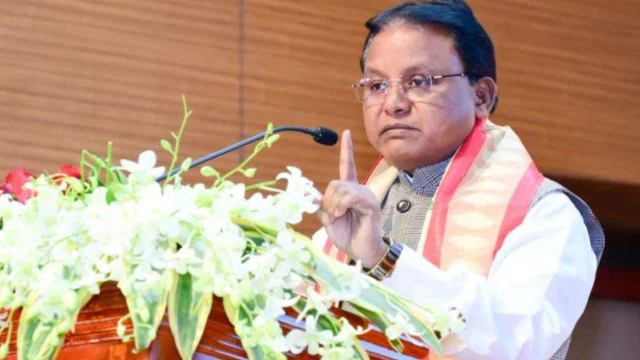
In a move signalling both continuity and change, the Bharatiya Janata Party (BJP)-led government in Odisha under Chief Minister Shri Mohan Charan Majhi has announced a significant alteration to how the state will commemorate one of its most revered icons. While the birth anniversary of Biju Patnaik — the legendary aviator, industrialist and former chief minister of Odisha will still be marked, it will no longer be observed as a state holiday or coincide with the state’s celebration of Panchayati Raj Day.
A Shift in Commemoration
Traditionally, March 5 which is the birth date of the Legendary Former CM of Odisha Shri Biju Patnaik (1916-1997) — has been celebrated across Odisha not only as his birth anniversary, but also as “Panchayati Raj Divas”, recognising his role in early efforts to strengthen grassroots democracy in the state.
Under the new policy, the state government has announced that henceforth:
- March 5 will continue as a commemoration of Biju Patnaik’s birth anniversary, but it will not be a government holiday.
- The state will observe Panchayati Raj Divas on April 24, aligning with the national date set for the 73rd Amendment of the Indian Constitution.
Why The Change Matters
For the BJP government, led by Chief Minister Majhi, the decision is framed as a move to align state practices with national norms and to ensure greater administrative discipline. The government’s statement emphasised that this change would reduce confusion, help standardise observance dates, and maintain focus on delivering governance rather than symbolic holidays.
However, the decision has stirred considerable reaction from the opposition, especially the Biju Janata Dal (BJD), which was founded by Biju Patnaik’s son Naveen Patnaik and carries forward the legacy of “Biju Babu” in Odisha politics. The BJD and allied parties claim that detaching Panchayati Raj Day from Biju Patnaik’s birth anniversary is tantamount to diminishing his role — a move they say risks politicising the memory of a revered leader.
Chief Minister Majhi’s Leadership in Focus
It is here that Chief Minister Majhi’s leadership style and vision enter the spotlight. At a time when the new government is steering the state’s shift from a long-standing regime to a new developmental agenda, this policy change reflects both a commitment to reform and a willingness to recalibrate symbolic practices to match institutional goals.
In his public statements, Majhi has reaffirmed the government’s respect for Biju Patnaik’s contributions — describing him as an “architect of modern Odisha” — while signalling that the new era demands a different administrative ethos: one focussed on delivery, accountability and aligning state observances with broader national standards.
By doing so, the Majhi government is asking the people of Odisha not just to remember the legacy of Biju Patnaik, but to trust the present leadership to translate that legacy into action: improved rural governance, strengthened local bodies, and a sharper focus on institutional outcomes rather than ceremonial observance alone.
Looking Ahead: Governance Over Symbolism
The decision brings to the fore questions about how legacy, symbolism and governance interact in a dynamic political environment. The BJD argues that symbolism matters — that a holiday is more than just a day off; it is a signal of respect and historical continuity. On the other hand, the BJP government’s approach emphasises substance over form, arguing that aligning the date of Panchayati Raj Day with the national calendar will not undermine Biju Patnaik’s memory, but rather embed it within a modern framework of active governance.
For Chief Minister Majhi and his team, this is a test of whether they can deliver the promise behind the legacy. If the government manages to strengthen Panchayati Raj institutions, improve rural infrastructure and bolster local democracy, then the change in date will be seen as a justified modernisation rather than a political misstep.
What This Means for Odisha
- 📌 For the bureaucracy and officials: The removal of a holiday opens up another working day, signalling a shift in administrative expectations.
- 📌 For local bodies: It raises expectations that observances like Panchayati Raj Day will be matched by genuine investments in village governance.
- 📌 For the BJD and opposition: It offers a new axis of critique: that the BJP government must show that its reformist rhetoric translates into tangible outcomes, or risk being seen as sidelining regional identity.
- 📌 For the citizenry: It presents a clear choice: will governance become more delivery-oriented, or will symbolism remain the dominant currency of politics?
Conclusion
In the unfolding narrative of Odisha’s political transformation, this decision on March 5 represents more than mere calendar-shuffling. Under Chief Minister Mohan Charan Majhi’s leadership, the state is signalling that it intends to shift from legacy to performance — from the politics of commemoration to the politics of construction.
Whether this recalibration succeeds depends ultimately on whether the government can match its symbolism with results. If it does, the policy change will likely be remembered as a small but significant step in Odisha’s next chapter of growth. If it doesn’t, it may become another focal point of opposition mobilisation.
For now, the message is clear: Odisha’s new government — under Majhi — is choosing to honour the past and retool for the future. Whether voters believe that this change in approach will enhance their lives is the question that will shape the next phase of state politics.